Buying property is a huge life milestone, and it’s something many people choose to do with another person. Whether you’re purchasing a home with a spouse or partner, going in on an investment property with friends, or sharing an inheritance with family members, co-owning real estate can be a fantastic way to achieve your financial goals and build equity. It often makes property ownership more accessible and can share the burden of costs and responsibilities.
However, just like any shared venture, co-owning property can become complicated if expectations aren’t clearly defined from the start. That’s why having a robust joint property ownership agreement template in place is incredibly important. It’s the blueprint that outlines everyone’s rights, responsibilities, and how you’ll handle various situations that might arise down the line, ensuring a smooth and harmonious co-ownership journey for all parties involved.
This document acts as a safeguard, providing a clear framework that prevents misunderstandings and potential disputes. It helps create a transparent and fair arrangement, giving everyone peace of mind and clarity on how the property will be managed, funded, and eventually, how it might be sold or transferred.
Why You Absolutely Need a Joint Property Ownership Agreement
Imagine buying a house with your best friend, full of excitement about building a future together. Everything seems perfect, you trust each other completely. But what happens a few years down the road if one of you wants to sell and the other doesn’t? Or if one person loses their job and struggles to contribute to the mortgage? These aren’t pleasant scenarios to think about, but they are very real possibilities that can quickly turn a dream into a nightmare without proper planning. A joint property ownership agreement is designed to tackle these ‘what ifs’ head-on.
It’s not just for friends, either. Spouses, unmarried partners, siblings, or even business partners who invest in real estate together all benefit immensely from a clear agreement. This document goes beyond just stating who owns what percentage; it delves into the nitty-gritty of day-to-day management and long-term planning, setting out the rules of engagement for everyone involved.
Essentially, it’s a living document that outlines how the property will be used, how decisions will be made, and what happens in unforeseen circumstances. It protects each owner’s investment and their relationship, making sure that property matters don’t damage personal bonds. Think of it as a comprehensive guide that helps you navigate the complexities of shared ownership with clarity and confidence.
Key Areas to Address
- **Initial Contributions and Equity Split:** Clearly define who contributed what amount towards the down payment and purchase costs, and how the equity will be divided.
- **Ongoing Expenses:** Detail how recurring costs like mortgage payments, property taxes, insurance, utilities, and maintenance will be shared. Will it be proportional to ownership, or split equally?
- **Decision-Making Process:** Establish a system for making significant decisions, such as major repairs, renovations, or renting out the property. Do all owners need to agree, or is there a majority vote?
- **Exit Strategy and Buyout Options:** What happens if one owner wants to sell their share or the entire property? Outline the process for valuation, offering first refusal to other owners, and the terms of a buyout.
- **Dispute Resolution:** Include a clause on how disagreements will be handled, perhaps through mediation or arbitration, to avoid costly legal battles.
- **Death or Incapacity of an Owner:** Specify what happens to an owner’s share if they pass away or become incapacitated, ensuring a smooth transition and protecting the interests of the remaining owners.
Having these specific points laid out in your agreement provides a solid foundation for managing your shared property. It means fewer surprises and a clearer path forward, no matter what twists and turns life might take.
Finding and Customizing Your Joint Property Ownership Agreement Template
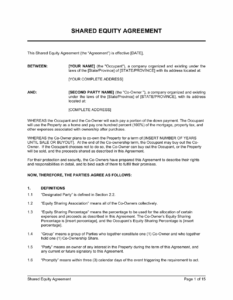
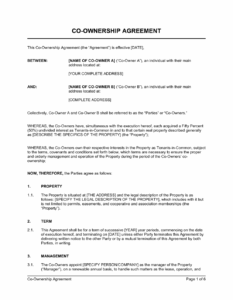
While the idea of crafting a legal document from scratch can feel daunting, the good news is that there are many resources available to help you get started. You can find various joint property ownership agreement templates online, offered by legal services websites, real estate platforms, or even government resources. These templates provide a fantastic starting point, giving you a framework that covers the essential clauses and considerations for shared ownership.
However, it’s absolutely crucial to remember that a generic template is just that – a starting point. Every co-ownership situation is unique, with its own specific dynamics, contributions, and expectations. Therefore, simply downloading a template and filling in the blanks might not fully protect your interests. You’ll need to customize it to reflect your particular circumstances, making sure all specific agreements and contingencies relevant to your co-ownership are clearly articulated.
Once you’ve tailored the template, it’s highly advisable to seek legal counsel. A qualified attorney specializing in real estate law can review your customized document, ensure it complies with local regulations, and make sure it adequately protects all parties involved. They can also explain any legal jargon and help you foresee potential issues you might not have considered, giving you confidence that your joint property ownership agreement template is robust and legally sound before you sign.
Having a clear, well-drafted agreement in place from day one is one of the smartest moves you can make when embarking on a co-ownership journey. It protects your investment, secures your relationships, and provides a clear roadmap for managing your property together, minimizing potential conflicts and maximizing the benefits of shared ownership. It’s an investment in peace of mind and a smooth future for all co-owners.