In the vibrant world of innovation, groundbreaking ideas constantly emerge, pushing the boundaries of what’s possible. Protecting these creations is paramount, and patents serve as a powerful shield, granting inventors exclusive rights to their inventions. But what happens when you want to commercialize your patented technology or leverage someone else’s? That’s where a carefully constructed legal document becomes indispensable.
Navigating the intricacies of intellectual property can be daunting, especially when you’re looking to grant or acquire rights to a valuable patent. This is precisely why an exclusive patent license agreement template is more than just a document; it’s a strategic blueprint that outlines the terms, conditions, and boundaries under which patented technology can be used, manufactured, or sold by another party, to the exclusion of all others, including the patent holder themselves within a defined scope. It’s about building a solid foundation for a mutually beneficial relationship.
Whether you’re an inventor seeking to commercialize your innovation without diving into manufacturing yourself, or a company looking to gain a competitive edge by utilizing a patented technology, understanding the nuances of such an agreement is crucial. It’s about ensuring clarity, protecting interests, and setting the stage for successful collaboration and market penetration.
Understanding the Core Components of Your Exclusive Patent License Agreement
When you’re delving into an exclusive patent license agreement, you’re essentially crafting a detailed roadmap for how a specific invention will be used and by whom. Unlike a non-exclusive license, an exclusive agreement grants the licensee sole rights to exploit the patent within a defined scope – meaning no one else, not even the original patent owner, can use it in that specific field or territory. This exclusivity is a huge commitment and provides significant leverage and incentive for the licensee to invest heavily in developing and marketing the technology.
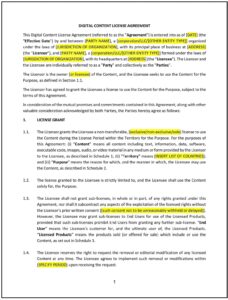
One of the first and most critical elements you’ll encounter is the “Grant of License.” This section meticulously details what rights are being granted (e.g., to make, use, sell, import), the specific patent(s) covered, the field of use (is it for medical devices only, or automotive applications?), and the geographical territory where these exclusive rights apply. Clarity here is non-negotiable, as any ambiguity can lead to future disputes.
Naturally, financial terms form another cornerstone of the agreement. This typically includes upfront payments, often referred to as licensing fees, and ongoing royalties, which are a percentage of sales or profits generated from the licensed product. Milestones, such as achieving certain sales targets or developing specific product versions, might also trigger additional payments, ensuring a fair return for the licensor as the technology gains traction.
Key Clauses You Can’t Afford to Miss
Beyond the core grant and financial terms, a robust exclusive patent license agreement template will feature several other critical clauses designed to protect both parties and ensure the smooth operation of the partnership. These are the details that often prevent misunderstandings down the line and solidify the agreement’s strength.
- Grant of License: Clearly states the scope of exclusivity, including specific patents, field of use, and geographical boundaries.
- Payment Terms: Details all financial aspects, such as upfront fees, royalty rates, payment schedules, and any milestone payments.
- Term and Termination: Specifies the duration of the agreement and the conditions under which either party can terminate it early, such as breach of contract or insolvency.
- Representations and Warranties: Assurances from the licensor that they own the patent and have the right to license it, and from the licensee that they will comply with all terms.
- Indemnification: Protects one party from losses or damages caused by the other’s actions, such as product liability claims.
- Confidentiality: Ensures that proprietary information exchanged during the collaboration remains protected.
- Governing Law and Dispute Resolution: Determines which jurisdiction’s laws will apply and how any disagreements will be resolved, often through arbitration or litigation.
Each of these clauses plays a vital role in creating a balanced and secure agreement. For instance, the representations and warranties clause provides a layer of assurance, giving the licensee confidence in the patent’s validity and ownership. Meanwhile, dispute resolution mechanisms are essential for efficiently handling any unforeseen conflicts, saving time and resources compared to lengthy court battles.
Furthermore, agreements often include provisions for patent prosecution and maintenance, specifying who is responsible for paying for and managing the ongoing costs and procedures to keep the patent in force. Obligations regarding sublicensing, quality control, and potential improvements to the licensed technology are also frequently addressed, ensuring that the partnership remains dynamic and productive over its lifespan.
Why an Exclusive Agreement Can Be a Game-Changer for Innovation
Choosing an exclusive patent license agreement isn’t just a legal formality; it’s a strategic decision that can profoundly impact the trajectory of an innovation. For the licensee, gaining exclusive rights means they can invest heavily in research, development, manufacturing, and marketing without the fear of direct competition from other licensees or even the original patent holder within their defined scope. This deep commitment fosters rapid advancement and allows the licensee to fully capitalize on market opportunities, building a dominant position.
From the licensor’s perspective, while they give up the ability to exploit the patent themselves in that specific area, the benefits can be substantial. An exclusive licensee is highly motivated to succeed, often leading to significantly higher royalty revenues and a faster, more robust commercialization pathway than a non-exclusive arrangement might offer. It’s like entrusting your valuable invention to a dedicated champion who will give it their all.
Moreover, an exclusive agreement often fosters a much deeper and more collaborative partnership. The licensee has a vested interest in the long-term success of the technology, often leading to shared resources, expertise, and a more integrated approach to market strategy and further development. This synergy can accelerate innovation, extend the patent’s life through improvements, and ultimately bring greater value to both parties.
- Maximized Investment Incentive for Licensee
- Dedicated Market Development and Penetration
- Potentially Higher Royalties and Revenue for Licensor
- Stronger Partnership and Collaboration
- Clear Market Dominance for the Licensed Product
This level of dedication is particularly valuable for complex or capital-intensive technologies where significant upfront investment is required. Knowing they have exclusive rights reduces the risk for the licensee, making them more willing to commit the necessary resources to bring a groundbreaking product to market successfully.
Ultimately, a well-drafted exclusive patent license agreement serves as the bedrock for commercializing and protecting valuable intellectual property. It’s a powerful tool that, when properly utilized, can transform innovative ideas into market realities, fostering growth and creating value for all parties involved. This intricate document ensures that the groundbreaking work of inventors can be brought to the world with clarity and security.
Taking the time to understand each provision, whether you are the licensor or the licensee, is an investment in future success. Such an agreement isn’t just about legal jargon; it’s about laying down a transparent framework that supports innovation, encourages investment, and safeguards the interests of everyone committed to bringing new technologies to life. Always consider seeking professional legal advice to tailor any template to your specific situation, ensuring robust protection for your unique circumstances.