Navigating the complexities of divorce can feel like a daunting journey, even when both parties are in agreement about the separation itself. Many couples hope for an amicable resolution, aiming to minimize conflict and the emotional toll on everyone involved. When spouses have already worked out the details of their separation, they often seek a streamlined path through the legal system.
This is where understanding a California divorce default with agreement template becomes incredibly valuable. While the term "default" might initially sound adversarial, in this specific context, it refers to a situation where one spouse does not formally respond to the divorce petition because a comprehensive agreement has already been reached. This allows the court to proceed efficiently, recognizing that the terms of the divorce have already been decided between the parties.
Embracing this approach can significantly reduce the stress, time, and expense typically associated with contested divorce proceedings. It provides a clear roadmap for couples who have achieved consensus on crucial issues like asset division, spousal support, child custody, and child support, allowing them to finalize their divorce with dignity and cooperation rather than prolonged litigation.
Understanding California Default Divorce with a Marital Settlement Agreement
In California, a divorce by default typically occurs when the responding spouse, after being properly served with the divorce petition, fails to file a formal response within the legally mandated timeframe. However, the scenario we are discussing, a default with an agreement, presents a unique and far less contentious situation. Here, the "default" isn’t a sign of disagreement or one party ignoring the proceedings. Instead, it is a deliberate choice made by the non-filing spouse (the respondent) because they have already come to terms with the petitioner on all aspects of their divorce.
This cooperative form of default happens when both spouses have meticulously crafted and signed a Marital Settlement Agreement (MSA). This document is the cornerstone of their amicable divorce, detailing how all marital issues will be resolved. Because the MSA addresses every necessary point, the respondent consciously decides not to file a formal response, knowing that their interests are already protected by the agreement they signed. The petitioner then proceeds to ask the court for a default judgment, attaching the signed MSA for the court’s approval.
The court reviews the MSA to ensure it is fair and equitable, especially concerning child custody and support issues, which are always subject to the court’s ultimate discretion for the best interest of the children. Once satisfied, the court incorporates the terms of the MSA into the final divorce judgment. This pathway effectively transforms a potentially adversarial process into an administrative one, built on mutual understanding and pre-determined terms. It underscores that "default" in this context signifies a lack of formal dispute, not a lack of participation or consent from the respondent.
Why an Agreement is Crucial in a Default Case
The Marital Settlement Agreement is the absolute key to making a default divorce work smoothly when both parties are cooperating. Without a clear and comprehensive agreement in place, a default would lead to the court making decisions without input from the respondent, which is not the goal of an amicable separation. The MSA acts as a blueprint, providing the court with all the necessary information to issue a judgment that accurately reflects both spouses’ wishes and protects their respective rights.
This vital document covers every aspect of the divorce, ensuring that no stone is left unturned. It creates a complete understanding and record of the spouses’ decisions.
Here are some key components typically found in a Marital Settlement Agreement:
- Division of Assets and Debts: Specifies how community property (like homes, bank accounts, retirement funds) and community debts (like mortgages, credit card balances) will be split.
- Child Custody and Visitation: Outlines legal and physical custody arrangements, parenting schedules, and holiday visitation plans if there are minor children.
- Child Support: Details the amount and duration of child support payments, often based on California guidelines.
- Spousal Support (Alimony): Addresses whether spousal support will be paid, the amount, and for how long.
- Other Provisions: May include details about attorney fees, tax responsibilities, life insurance, and any other agreements specific to the couple’s situation.
By presenting a fully executed MSA, the petitioner is essentially asking the court to sign off on a resolution that both parties have already agreed upon. This drastically reduces the court’s workload and eliminates the need for contested hearings, making the entire process more efficient and predictable. It demonstrates a shared commitment to resolving the divorce amicably and bypasses the uncertainty and emotional strain of leaving key decisions to a judge without prior consensus.
How a California Divorce Default With Agreement Template Simplifies the Process
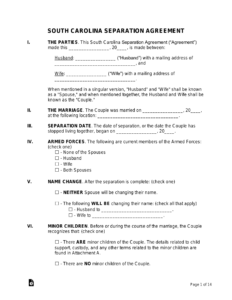
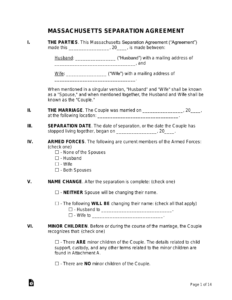
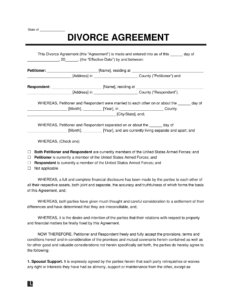
The idea of drafting a comprehensive legal document like a Marital Settlement Agreement can be intimidating for many people, even when they are in full agreement with their spouse. This is precisely where a California divorce default with agreement template becomes an invaluable asset. These templates are designed to provide a structured framework, guiding you through all the necessary sections and clauses that a California court will require for a complete and enforceable judgment. They take much of the guesswork out of preparing such a crucial document.
Using a well-designed template helps ensure that you do not overlook critical details that could complicate your divorce later on. It acts as a checklist, prompting you to consider all aspects of your marriage that need to be addressed in the separation, from the division of property to arrangements for child custody and support. This structured approach helps both parties feel confident that their agreement is thorough and legally sound, fostering a sense of peace even amidst the changes of divorce.
While a template provides a strong starting point, it is crucial to remember that each divorce is unique. Therefore, you will need to carefully customize the template to accurately reflect your specific circumstances and agreements. Although it streamlines the process, thoroughness and attention to detail remain paramount.
Here are some steps in effectively using a template:
- Gather All Relevant Information: Collect all financial statements, property deeds, debt records, and any other pertinent documents that will inform the terms of your agreement.
- Discuss and Formalize Agreements: Ensure both spouses are in full agreement on every single point, from who keeps which car to holiday schedules for children.
- Populate the Template Carefully: Methodically fill in all the blanks and adapt the language in the template to precisely match your agreed-upon terms.
- Review and Seek Feedback: Read through the entire document multiple times. Consider having a legal professional review your completed template, even for a limited scope representation, to ensure it complies with California law and accurately reflects your intentions.
By leveraging a reliable template, you and your spouse can navigate the paperwork with greater ease and confidence, ultimately leading to a quicker and more harmonious resolution of your marriage.
Opting for a default divorce with an agreement is a thoughtful strategy for California couples seeking an amicable separation. It underscores a commitment to cooperation and allows you to maintain control over the outcome of your divorce, rather than leaving critical decisions to the court. This path often leads to a more peaceful transition for everyone involved, especially when children are part of the family equation.
Successfully concluding your divorce in this manner requires diligence and accuracy in preparing your agreement. While the process is streamlined by consensus, it is essential to ensure that all legal requirements are met and that your Marital Settlement Agreement is comprehensive and clearly articulates the agreed-upon terms. A well-prepared agreement filed through this default method can bring closure efficiently, allowing both individuals to move forward with clarity and a sense of resolution.