Stepping into the world of independent sales representatives can be an exciting growth opportunity for any business. You get dedicated individuals driving sales without the overhead of full-time employees. However, to ensure a smooth, legally sound, and mutually beneficial relationship, having a clear understanding and a solid document in place is absolutely essential. It’s about setting expectations and safeguarding both parties from potential misunderstandings down the road.
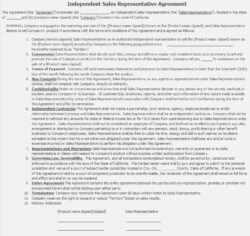
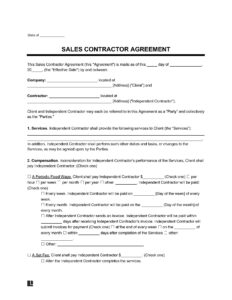
This is where a robust 1099 sales rep agreement template becomes an invaluable asset. It’s more than just a piece of paper; it’s the foundation of your partnership, defining roles, responsibilities, compensation, and the independent contractor status that is so crucial for tax purposes. A well-drafted agreement protects your business, clarifies the rep’s role, and helps maintain the independent contractor classification required by the IRS.
Without a comprehensive agreement, businesses risk misclassification issues, disputes over commissions, or a lack of clarity regarding responsibilities and intellectual property. Taking the time to craft or customize a thorough agreement from the outset can save significant headaches and potential legal battles later on, allowing both the company and the sales rep to focus on what matters most: driving sales and achieving success.
Why Every Business Needs a Solid 1099 Sales Rep Agreement
Bringing on independent sales representatives, also known as 1099 contractors, offers flexibility and often a performance-driven approach to sales. But this arrangement comes with specific legal and tax implications that differ significantly from hiring employees. A carefully constructed 1099 sales rep agreement template serves as your first line of defense, ensuring that the relationship is accurately defined, all parties understand their commitments, and your business remains compliant with federal and state regulations.
The primary reason to have this agreement is to clearly establish the independent contractor status. The IRS has strict guidelines to differentiate between an employee and an independent contractor, and a poorly defined relationship can lead to serious penalties, back taxes, and fines for misclassification. Your agreement should explicitly state that the rep is an independent contractor, responsible for their own taxes, insurance, and expenses, without benefits typically afforded to employees.
Beyond tax and legal compliance, a strong agreement prevents operational friction. It provides a roadmap for how the sales representative will engage with your company, what products or services they will sell, and how they will be compensated. This clarity is vital for fostering a productive and professional working relationship, where both sides know exactly what to expect and how to resolve any issues that might arise.
Essential Elements to Include
When developing or customizing your 1099 sales rep agreement, several critical components must be addressed to ensure comprehensiveness and enforceability. Overlooking any of these can leave gaps that expose your business to risk.
* Party Identification: Clearly state the full legal names and addresses of both the company and the independent sales representative.
* Scope of Services: Define the specific products or services the rep will sell, their territory (if any), and any performance expectations or targets.
* Compensation Structure: Detail how the rep will be paid, including commission rates, payment schedules, and any conditions for earning commissions (e.g., paid invoices, minimum sales).
* Term and Termination: Specify the duration of the agreement and the conditions under which either party can terminate it, including required notice periods.
* Confidentiality and Non-Solicitation: Protect your business secrets, client lists, and intellectual property by including clauses that prohibit the rep from disclosing confidential information or soliciting your clients or employees after the agreement ends.
Further, consider how commissions are calculated on returns or chargebacks, the process for reporting sales, and who bears the costs of sales materials or travel. A well-thought-out agreement anticipates these scenarios, providing clear instructions and minimizing potential disputes. It should also outline the independent nature of the relationship, confirming the rep’s control over their work methods and hours, consistent with IRS guidelines for independent contractors.
Navigating Compensation and Performance Expectations
The compensation structure is arguably one of the most vital sections within any 1099 sales rep agreement. It needs to be crystal clear, leaving no room for ambiguity about how and when the sales rep will be paid. Whether it’s a straight commission, a tiered commission based on sales volume, or a commission with a draw, every detail must be precisely laid out. This includes defining what constitutes a “sale,” when commissions are considered earned (e.g., upon signed contract, upon client payment), and the frequency and method of payment. Ambiguity here is a primary cause of disputes and can sour even the most promising sales relationship.
Beyond just the numbers, setting performance expectations is equally important for both parties. While independent contractors typically manage their own work, the agreement can outline general performance standards or targets without dictating *how* the work is done. For instance, you can specify revenue goals or minimum activity levels (e.g., number of client contacts) as long as the rep retains control over the means and methods of achieving those goals. This balance ensures the business’s interests are met while upholding the independent contractor status.
Finally, consider clauses that address the ownership of client relationships and intellectual property developed during the term of the agreement. While independent reps bring their own network, the clients they acquire through your business typically remain your company’s asset. Including non-compete or non-solicitation clauses (where legally permissible and reasonable) can provide an added layer of protection for your business interests after the agreement concludes, ensuring that your investment in a sales rep continues to benefit your company long-term.
Having a meticulously drafted agreement in place provides peace of mind for everyone involved. It fosters a professional environment built on clear communication and mutual understanding, allowing both your business and your independent sales representatives to thrive. This clarity enables your sales team to focus on achieving their goals, knowing exactly where they stand and what is expected, leading to stronger, more productive partnerships.
Investing the time to create a comprehensive and legally sound agreement is a critical step towards success when working with independent sales professionals. It protects your interests, defines the relationship, and sets the stage for a fruitful collaboration that drives growth for your business.