Navigating the world of real estate can sometimes feel like stepping into a complex maze, especially when you encounter terms like "assignment." For many, the idea of assigning a contract sounds complicated, but in reality, it’s a powerful tool used by investors and individuals alike to transfer their rights and obligations under an existing purchase agreement to another party. Whether you’re a seasoned investor looking to streamline your wholesale deals or someone new to real estate curious about efficient transactions, understanding this process is incredibly valuable.
At its core, an assignment simply means passing along the benefit of a contract from one party to another. In real estate, this often involves transferring a buyer’s interest in a property purchase agreement to a new buyer before the original deal has closed. This mechanism allows for flexibility and liquidity in the market, enabling quick transactions without the need for the original buyer to actually take ownership of the property.
Having a reliable and well-structured assignment of purchase agreement template at your disposal can make all the difference. It provides a clear roadmap for all parties involved, ensuring that the transfer is legally sound, transparent, and protects everyone’s interests. It removes much of the guesswork, allowing you to focus on the deal itself rather than worrying about the underlying paperwork.
Understanding the Mechanics of an Assignment Agreement
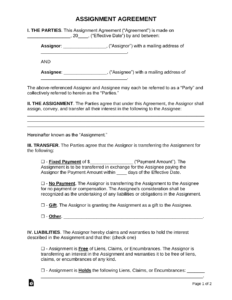
An assignment of a purchase agreement is a legally binding document that facilitates the transfer of contractual rights and obligations from an original buyer (the assignor) to a new buyer (the assignee). Imagine you’ve signed a contract to buy a house, but then you find someone else who wants to buy it from you at a higher price before you even close on the original deal. Instead of going through two separate closings, you can use an assignment agreement to transfer your rights to that new buyer. The original seller still gets their agreed-upon price, you get an assignment fee for facilitating the deal, and the new buyer gets the property.
The process typically starts with an original purchase agreement between the seller and the assignor. This initial contract needs to permit assignments, either explicitly or implicitly, for the assignment to be valid. Once the assignor finds an assignee, they both enter into an assignment agreement. This new document outlines the terms under which the assignor transfers their rights, including the assignment fee the assignee will pay. The assignee then steps into the assignor’s shoes, taking on the responsibility to close the deal with the original seller.
It’s crucial that all parties understand their roles and responsibilities. The assignor is the original buyer, transferring their interest. The assignee is the new buyer who will ultimately purchase the property from the original seller. And, of course, the original seller needs to be notified and often acknowledges the assignment, even if their direct contract is still with the assignor until closing.
Key Elements for a Robust Template
When putting together or selecting an assignment of purchase agreement template, several essential components must be included to ensure clarity and legal enforceability. Overlooking any of these can lead to confusion or even invalidate the agreement. A comprehensive template provides a solid foundation for your transaction, protecting both the assignor and the assignee.
These are some of the critical sections you should expect to see:
- Identification of Parties: Clearly state the full legal names and addresses of the assignor and the assignee.
- Reference to Original Purchase Agreement: Provide details of the initial contract, including the date it was signed, the names of the original buyer and seller, and the property address.
- Assignment Fee: Specify the amount the assignee will pay to the assignor for the assignment of the contract and the terms of its payment.
- Earnest Money Deposit: Detail how the earnest money from the original contract will be handled – whether it transfers to the assignee or if the assignee will provide a new deposit.
- Closing Date and Process: Reiterate the closing date from the original agreement or specify any adjustments made due to the assignment.
- "As-Is" Clause (if applicable): Clarify if the property is being assigned "as-is" without any warranties from the assignor.
- Representations and Warranties: Outline what each party promises regarding the validity of the original contract and their ability to enter into the assignment.
- Signatures and Notarization: Ensure all parties sign and that the document is notarized if required by local law.
The Advantages of Using a Standardized Template
The primary benefit of utilizing a well-crafted assignment of purchase agreement template is the unparalleled efficiency and consistency it brings to real estate transactions. Instead of drafting a new agreement from scratch for every deal, a template allows you to quickly populate the necessary information, saving valuable time and reducing the chances of overlooking critical details. This standardization is particularly useful for active investors or wholesalers who engage in multiple assignments annually.
Beyond just saving time, a robust template significantly minimizes the risk of legal disputes or misunderstandings. It ensures that all essential clauses and disclosures are present, providing a clear framework that both the assignor and assignee can understand and rely upon. This clarity helps to prevent misinterpretations about responsibilities, payment terms, or the assignment’s effect on the original purchase agreement, leading to smoother closings and happier parties.
Furthermore, leveraging a template fosters a professional approach to your real estate dealings. It projects an image of competence and thoroughness, which can build trust among all involved parties, including the original seller and any attorneys or title companies. This sense of security is invaluable, as it helps facilitate quicker decisions and reduces hesitancy, ultimately making your real estate ventures more successful and less stressful.
In the fast-paced world of real estate, having a reliable framework for transferring contractual rights is not just a convenience; it’s a strategic advantage. A well-prepared assignment of purchase agreement can streamline complex transactions, protect your interests, and ultimately contribute to a more efficient and profitable real estate business. It empowers you to act decisively and confidently, knowing that your paperwork is solid.