In the vast landscape of business, creativity, and innovation, ideas and creations are incredibly valuable. But what happens when you need to transfer ownership of these valuable assets, whether it is a piece of intellectual property, a contractual obligation, or even specific elements of a larger project? This is where understanding the mechanics of transferring rights becomes absolutely essential for protecting your interests and ensuring smooth transitions.
Navigating these waters requires clarity, precision, and a legally sound framework. This is precisely why an assignment of rights agreement template is such an indispensable tool for individuals and businesses alike. It provides a structured, clear, and legally binding way to officially transfer specific rights from one party to another, preventing misunderstandings and potential disputes down the line.
Whether you are a creator selling your work, a business transferring intellectual property, or simply need to understand the implications of such agreements, this article will walk you through the core aspects of these vital documents, helping you demystify their purpose and practical application.
What Exactly is an Assignment of Rights Agreement?
At its heart, an assignment of rights agreement is a formal legal document that legally transfers specific rights, interests, or property from one party (the “assignor”) to another party (the “assignee”). Think of it as passing the baton in a race: the assignor, who previously held certain rights, officially hands them over to the assignee, who then assumes ownership and control over those rights. This transfer is complete and binding, meaning the assignor typically gives up all future claims to the assigned rights.
These agreements are incredibly versatile and can apply to a wide array of rights. For instance, they are commonly used in the realm of intellectual property to transfer copyrights for books or songs, patent rights for inventions, or trademark rights for brands. Beyond IP, they can also facilitate the assignment of contractual rights, such as a tenant assigning a lease to a new occupant, or a business assigning its right to receive payment from a client to another entity.
The core purpose is to create a clear paper trail and legal certainty. Without a formal agreement, disputes can arise regarding who truly owns or controls a particular right, leading to costly and time-consuming legal battles. This template ensures that the intent to transfer is unambiguous and documented properly, providing protection for both the assignor and the assignee.
Key Elements You’ll Find in Your Template
While the specifics might vary based on the nature of the rights being assigned, a well-drafted assignment of rights agreement template will generally include several crucial components to ensure its effectiveness and enforceability. Understanding these elements is key to preparing or reviewing any such document.
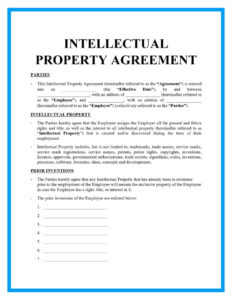
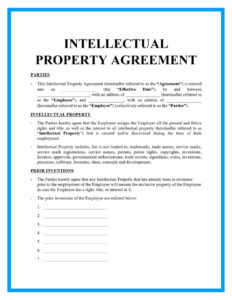
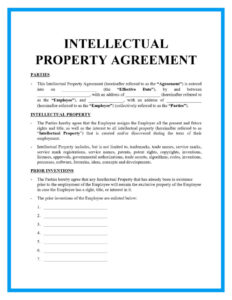
- Identification of Parties: Clearly stating the full legal names and addresses of both the assignor (the one giving up the rights) and the assignee (the one receiving the rights).
- Description of Rights: A detailed and unambiguous description of the specific rights being assigned. This is perhaps the most critical section, as any vagueness here can lead to future problems. For example, if assigning a copyright, it should specify the title of the work, date of creation, and any registration numbers.
- Consideration: What is being exchanged for the assignment of rights? This could be a monetary payment, a promise to perform a service, or any other valuable exchange between the parties. Even if it is a nominal sum, it should be stated.
- Warranties and Representations: Statements where the assignor confirms they are the legitimate owner of the rights, have the authority to assign them, and that the rights are free from any undisclosed liens or encumbrances.
- Effective Date: The specific date on which the assignment becomes legally binding and effective.
- Governing Law: Specifying which jurisdiction’s laws will govern the interpretation and enforcement of the agreement.
- Signatures: The formal signatures of both the assignor and the assignee, often accompanied by a witness or notarization to further authenticate the agreement.
Each of these elements plays a vital role in establishing the validity and scope of the transfer. Missing or poorly defined sections can weaken the agreement, leaving room for future challenges. Therefore, always approach these sections with meticulous attention to detail.
When Do You Typically Need an Assignment of Rights Agreement?
The scenarios in which an assignment of rights agreement becomes necessary are surprisingly common and span across various industries and personal situations. Anytime a valuable right needs to be formally transferred from one entity or individual to another, this type of agreement provides the essential legal framework.
Consider a musician who sells the master recording rights to their album to a record label. Or perhaps an inventor who has developed a groundbreaking patent and wishes to sell those patent rights to a manufacturing company. In both cases, a clear, comprehensive assignment document is absolutely vital to ensure the legal transfer of ownership and to protect the interests of both the seller (assignor) and the buyer (assignee). Without it, the “sale” might just be a handshake, which offers little to no legal protection if a dispute arises regarding ownership or royalties down the line.
Beyond creative works and inventions, these agreements are also prevalent in more traditional business dealings. For example, when a business is sold, the intellectual property, client contracts, and other assets often need to be formally assigned from the old owner to the new one. Similarly, in the world of real estate, a tenant might assign their lease rights to a new tenant if they need to move out before their lease term expires, with the landlord’s consent, of course. These diverse applications highlight the fundamental role of such agreements in facilitating legal and transparent transfers of value.
Having a properly drafted assignment of rights agreement template at your disposal or knowing when to seek one ensures that these transitions are legally sound, protecting all parties involved from potential future complications and providing peace of mind as rights and responsibilities change hands.