Stepping into the world of publishing, whether as an aspiring author with a brilliant manuscript or an established publisher seeking the next big voice, involves a delicate dance of trust and information sharing. Before any formal contracts are signed, before agents get deeply involved, and sometimes even before a full proposal is ready, sensitive conversations often take place. This is precisely where an author-publisher non-disclosure agreement template becomes an indispensable tool, acting as a silent guardian for your valuable intellectual property and confidential business discussions.
These initial interactions are critical for both parties. Authors need to share their unique ideas, plot outlines, character developments, and even excerpts of their work to gauge interest. Publishers, in turn, might reveal marketing strategies, financial projections, or insights into their editorial pipelines. Without a clear understanding of confidentiality, these early disclosures can leave either party vulnerable, potentially jeopardizing years of hard work or strategic advantage.
Think of an NDA as a professional handshake that clearly outlines the boundaries of what can and cannot be shared or used outside of the intended discussion. It fosters an environment of mutual respect and security, allowing for open dialogue necessary to explore potential collaborations without the constant worry of intellectual property theft or misuse of sensitive business information. This article will guide you through the significance and key components of such an agreement.
The Essential Components of Your Author-Publisher NDA
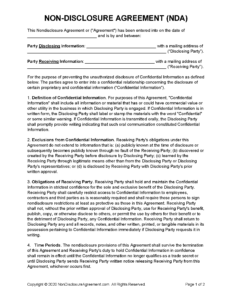
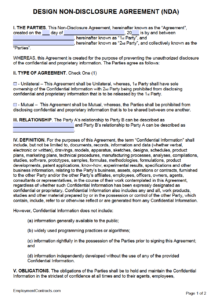
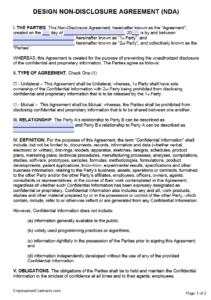
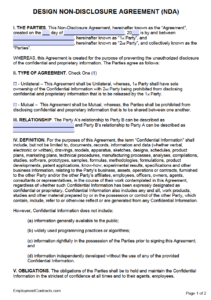
A robust author-publisher non-disclosure agreement is more than just a piece of paper; it’s a commitment to professional integrity. At its heart, an NDA defines what information is considered confidential, who is privy to it, and what obligations recipients have regarding its use and protection. This clarity ensures that both the author’s creative work and the publisher’s business strategies are handled with the utmost care.
The agreement typically begins by identifying the parties involved: the disclosing party (often the author, but sometimes the publisher) and the receiving party. It’s crucial to specify not just the individuals but also their respective organizations, ensuring that the agreement covers all relevant entities. This initial step sets the stage for who owes what duty of confidentiality to whom.
Following the identification of parties, the NDA meticulously defines what constitutes “confidential information.” In the context of author-publisher relationships, this can encompass a wide range of materials. It’s not just the manuscript itself, but often includes the ideas behind it, the author’s marketing plans, financial expectations, or even details about other potential projects. The broader and clearer this definition, the better protected both parties will be.
Defining Confidential Information
Confidential information can cover a broad spectrum of details vital to both author and publisher. It’s important that the agreement specifies these clearly to avoid ambiguity. For authors, this often includes their unpublished works, unique plot devices, character backstories, and even their personal brand strategies. For publishers, it might involve internal acquisition criteria, market research data, editorial calendars, or proprietary submission processes.
* Unpublished manuscripts, synopses, and literary proposals
* Unique story concepts, plot twists, and character developments
* Marketing strategies, promotional plans, and target audience data
* Financial projections, royalty structures, and sales forecasts
* Author personal information, contact details, and publishing history
* Proprietary submission guidelines and editorial processes
Obligations of the Receiving Party
Once confidential information has been defined, the agreement then outlines the specific obligations of the receiving party. Generally, this means agreeing not to disclose the information to third parties, to use it only for the purposes explicitly stated in the NDA (e.g., evaluating a manuscript for publication), and to take reasonable steps to protect it from unauthorized access or use. This section often includes clauses about how long the confidentiality obligation lasts, which can extend for several years beyond the termination of discussions.
Furthermore, an NDA will usually detail exceptions to confidentiality, such as information that is already publicly known, information independently developed by the receiving party, or information required to be disclosed by law. These exceptions are important for ensuring the agreement is reasonable and legally sound. Finally, the agreement typically specifies the governing law and jurisdiction, which dictates how any disputes related to the NDA would be resolved.
Navigating the Publishing World with Confidence: The Value of a Template
In the fast-paced world of publishing, efficiency and clarity are paramount. Utilizing an author-publisher non-disclosure agreement template offers a powerful solution, providing a ready-made framework that can be quickly adapted to specific circumstances. This proactive approach saves invaluable time and resources, allowing authors and publishers to focus on what truly matters: the creation and dissemination of compelling stories.
A good template isn’t just about protection; it’s about establishing a foundation of trust and professionalism from the very first interaction. It signals that both parties are serious about their work and respect the intellectual property involved. By having a clear, pre-structured document, you can avoid the costly and time-consuming process of drafting an agreement from scratch, ensuring that all critical elements are addressed without oversight.
While a template provides an excellent starting point, remember that it should always be reviewed and customized to fit the unique nuances of your specific project and the jurisdictions involved. Consider it a robust skeleton that you flesh out with the precise details of your collaboration, ensuring it accurately reflects your mutual understanding and protects your interests effectively.
Engaging with an author or publisher is an exciting journey, and protecting your valuable ideas and proprietary information should be a top priority from the outset. A well-crafted non-disclosure agreement is an essential step, laying the groundwork for transparent, respectful, and ultimately successful collaborations.
By formalizing your confidentiality expectations early on, you foster an environment where creative and business discussions can flourish without reservation. This commitment to safeguarding intellectual property allows all parties to move forward with confidence, ensuring that great stories and innovative strategies receive the protection they deserve as they make their way into the world.