Stepping into the world of commercial real estate can be an exciting journey, whether you’re a budding entrepreneur looking for your first storefront or an expanding business seeking a larger office space. Finding the perfect location is a huge milestone, but securing that space requires a crucial document: a commercial lease agreement. This legally binding contract outlines the terms and conditions between a landlord and a tenant, setting the stage for a successful business relationship.
Understanding every nuance of a commercial lease can feel overwhelming, given its complexity and the significant financial implications involved. That’s where a reliable commercial building lease agreement template becomes an invaluable asset. It provides a structured starting point, helping you navigate the various clauses and ensures that essential details aren’t overlooked, saving you time and potential headaches down the line.
This article will walk you through the key components of a robust commercial lease agreement, discuss why using a template is a smart strategy, and highlight important considerations to keep in mind. Our goal is to demystify the process, empowering you to approach your commercial leasing journey with confidence and clarity.What Goes Into a Solid Commercial Lease Agreement?
A well-drafted commercial lease agreement is more than just a piece of paper; it’s a blueprint for the landlord-tenant relationship, designed to protect both parties and ensure smooth operations. It’s absolutely essential to understand the core elements that make up this critical document. Without a clear understanding, you might inadvertently agree to terms that don’t serve your best interests.
Parties and Premises Identification
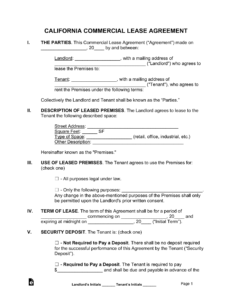
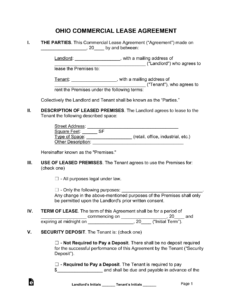
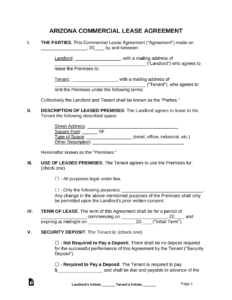
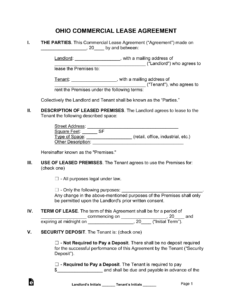
First and foremost, the agreement needs to clearly identify who is involved and what property is being leased. This might seem obvious, but precision is key. It details the full legal names of both the landlord and the tenant, along with their contact information. Equally important is an accurate and complete description of the leased premises, including the address, suite number, and any specific areas or common spaces that are included or excluded from the lease. This initial clarity prevents misunderstandings about who is responsible for what and where.
Lease Term and Rent Details
These are perhaps the most critical financial aspects of any lease. The lease term specifies the duration of the agreement, including the start and end dates. Will it be one year, five years, or perhaps longer? It should also outline any options for renewal and the process for exercising those options. The rent details cover the monthly or annual rent amount, the due date, acceptable payment methods, and any penalties for late payments. Many commercial leases also include provisions for rent escalation over time, whether it’s a fixed increase, tied to an index like CPI, or based on fair market value.
Operating Expenses and Tenant Responsibilities
Commercial leases often go beyond just base rent. Many include additional charges for operating expenses, frequently referred to as Common Area Maintenance (CAM), which covers costs like property taxes, insurance, and maintenance for shared areas of the building. The agreement will also detail the tenant’s responsibilities for maintenance and repairs within their leased space, utility payments, and adherence to specific rules and regulations. It’s vital to understand what you’re paying for and what upkeep falls on your shoulders.
- Maintenance and Repairs: Who handles routine repairs versus major structural issues.
- Utilities: Which utilities are included, and which are the tenant’s separate responsibility.
- Insurance Requirements: The minimum liability and property insurance the tenant must carry.
- Improvements and Alterations: Rules around making modifications to the leased space, including who owns them at the end of the lease.
- Default and Termination: Conditions under which either party can terminate the lease early, and the consequences of default.
These clauses, among others, form the backbone of a comprehensive commercial lease agreement, ensuring that all parties understand their rights and obligations throughout the tenancy.
Why Starting with a Template is a Smart Move
When faced with the task of drafting a commercial lease, the sheer volume of details can be daunting. This is precisely where a high-quality commercial building lease agreement template truly shines. It provides a robust framework, ensuring that all standard and crucial clauses are included from the outset, significantly reducing the chances of overlooking vital provisions that could lead to disputes or legal complications down the line. It’s an efficient way to get a head start, offering a structured approach that would otherwise require extensive legal research from scratch.
A template not only saves you considerable time and effort but also serves as an excellent educational tool. By reviewing a pre-existing structure, you gain a better understanding of the common elements found in commercial leases, preparing you for discussions with the other party and legal counsel. Good templates are often drafted with best practices in mind, incorporating language that addresses typical commercial real estate scenarios, providing a solid foundation upon which to build your specific agreement.
However, it’s important to remember that a template is a starting point, not a final solution. Every commercial lease situation is unique, influenced by the specific property, business type, and local regulations. While a template provides an excellent base, it should always be customized to fit your particular circumstances and thoroughly reviewed by a qualified attorney. This ensures that the agreement accurately reflects your negotiated terms and complies with all applicable laws, giving you peace of mind.
A meticulously prepared lease agreement is the cornerstone of a successful commercial tenancy. It clarifies expectations, mitigates risks, and provides a clear roadmap for resolving any potential issues that may arise during the term. Taking the time to understand and properly document these terms is an investment in the stability and future of your business operations.
By giving careful attention to each clause and seeking professional guidance when necessary, both landlords and tenants can enter into an agreement with confidence. This diligent approach helps foster a positive working relationship and safeguards the interests of everyone involved, allowing you to focus on what matters most: growing your business within your chosen commercial space.