Stepping into the world of commercial real estate can feel like navigating a complex maze, especially when your business is ready to secure its first office space or expand into a new location. The stakes are high, and the paperwork involved can seem daunting. From understanding landlord responsibilities to tenant obligations, every detail matters, and overlooking even a minor clause could lead to significant headaches down the road.
This is where a robust commercial office lease agreement template becomes an invaluable tool. It serves as a foundational blueprint, outlining the critical terms and conditions that govern the relationship between a landlord and a tenant. Having a clear, comprehensive template on hand can not only save you time and money but also provide a strong starting point for negotiations, ensuring both parties are on the same page from the outset.
Whether you’re a budding entrepreneur or an established company, comprehending the ins and outs of your lease is paramount to protecting your business interests. This guide will walk you through the essential components of such an agreement, helping you understand what to look for, what to consider, and how to effectively utilize a template to your advantage.
Deconstructing the Essential Elements of Your Commercial Lease
A commercial lease is far more intricate than a residential one, often involving substantial financial commitments and long-term implications for your business operations. Understanding each section of your commercial office lease agreement template is crucial, as it defines everything from how much you pay to what you can or cannot do within the leased premises. It’s the legal backbone of your tenancy, designed to prevent misunderstandings and provide recourse should disputes arise.
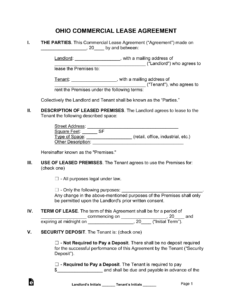
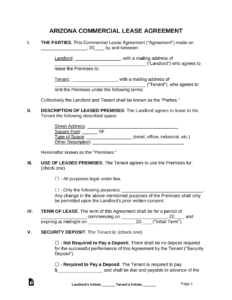
At its core, a good template will clearly identify the parties involved – the landlord and the tenant – along with a precise description of the property being leased, including its address and specific unit number if applicable. It will also specify the lease term, which is the duration of the agreement, often ranging from a few years to a decade or more, and detail any options for renewal, which are critical for business continuity planning.
Rent is, of course, a central element. The template should clearly state the base rent, how and when it’s to be paid, and whether there will be any rent increases over the lease term (e.g., fixed increases, Consumer Price Index (CPI) adjustments, or market rate reviews). Beyond the base rent, commercial leases often involve additional costs, frequently referred to as Common Area Maintenance (CAM) charges, property taxes, and building insurance, all of which need explicit clarification within the agreement.
Key Clauses That Demand Your Attention
Beyond the basics, several clauses within a commercial office lease agreement template require careful scrutiny. The “use of premises” clause dictates how you can operate your business within the space. It might specify that the office can only be used for general administrative purposes, or it could permit specific retail activities. Understanding these limitations is vital to ensure your business operations align with the lease terms.
Another critical area involves maintenance and repairs. The template should delineate who is responsible for what – typically, the tenant handles interior non-structural repairs, while the landlord is responsible for structural elements, common areas, and major systems like HVAC, plumbing, and electrical. However, these responsibilities can vary significantly, so clarity here is paramount. Similarly, clauses related to alterations and improvements define whether you can make changes to the space and under what conditions, often requiring landlord approval.
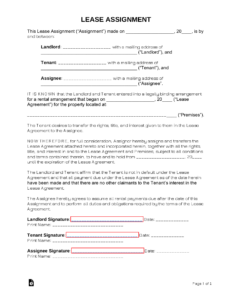
Furthermore, look for sections on default and remedies, outlining what happens if either party breaches the agreement. This includes late payment penalties, eviction procedures, and how damages are calculated. Clauses on assignment and subletting are also important, dictating whether you can transfer your lease or sublet portions of your space to another tenant, which can be crucial for flexibility as your business evolves.
- Security Deposit: Details the amount, conditions for return, and any interest earned.
- Insurance Requirements: Specifies the types and minimum amounts of insurance both landlord and tenant must carry.
- Indemnification: Protects one party from liability or losses incurred by the other.
- Right of First Refusal: Gives the tenant the option to lease adjacent space or purchase the property if it becomes available.
Personalizing Your Template and Seeking Professional Advice
While a commercial office lease agreement template provides an excellent starting point, it’s rarely a one-size-fits-all solution. Each business, property, and landlord-tenant relationship comes with its unique set of circumstances, necessitating a degree of customization. Think of the template as a robust skeleton; you’ll need to add the flesh and organs that make it truly functional for your specific needs. This involves carefully reviewing every clause and making adjustments to reflect negotiated terms, specific operational requirements, and any unique aspects of the property or location.
Customization might involve adding specific clauses related to technology infrastructure, specialized equipment installation, or particular environmental considerations. You might need to negotiate different terms for rent abatement during construction, specific signage rights, or even a tenant improvement allowance to help fund your build-out. Without this tailoring, a generic template might not fully protect your interests or accurately represent the agreed-upon terms between you and the landlord. It’s an opportunity to ensure the document truly supports your business goals and operational flow.
Perhaps the most crucial step after personalizing your template is to seek professional legal advice. A qualified real estate attorney can review the entire agreement, identify potential pitfalls, clarify ambiguous language, and ensure that all terms comply with local, state, and federal laws. They can also assist in negotiating more favorable terms on your behalf, providing invaluable expertise that can prevent costly disputes and ensure a smooth tenancy throughout the life of your lease. Investing in legal review upfront can save you significant time, money, and stress in the long run.
A well-drafted and clearly understood commercial lease is fundamental to the success and stability of any business operating from leased premises. It acts as a shield, protecting both parties and laying down a transparent framework for their professional relationship. Taking the time to familiarize yourself with each component, understanding its implications, and ensuring it aligns with your operational needs is an investment that truly pays dividends.
Navigating the intricacies of commercial real estate can be complex, but with the right tools and a diligent approach, you can secure an office space that propels your business forward. Always remember that thorough preparation and professional counsel are your strongest allies in establishing a solid foundation for your commercial tenancy.