Navigating the world of property rentals can sometimes feel like a maze, whether you’re a landlord looking to protect your investment or a tenant seeking stability and clear terms. One common scenario arises when an initial fixed-term tenancy comes to an end, but both parties wish for the arrangement to continue without committing to another long fixed period. This is where the concept of a periodic tenancy becomes incredibly useful, allowing for flexibility for everyone involved.
When a fixed-term agreement expires, a tenancy often automatically rolls over into a statutory periodic tenancy. However, relying solely on statutory provisions can sometimes leave gaps or introduce terms that don’t perfectly align with what both landlord and tenant actually want. This is precisely why a well-crafted contractual periodic tenancy agreement template is such an invaluable tool, providing clarity and customizability that statutory arrangements might lack. It ensures that specific expectations regarding rent, notice periods, and responsibilities are formally documented from the outset.
The beauty of a contractual periodic tenancy lies in its ability to offer a structured, yet flexible, continuation of a rental agreement. It moves beyond the default legal provisions to incorporate mutually agreed-upon terms, giving both parties greater peace of mind and a clear framework for their ongoing landlord-tenant relationship. Having a robust template on hand means you’re prepared to transition smoothly, ensuring continuity and understanding without the need for constant renegotiation.
Understanding the Nuances of Periodic Tenancies
A periodic tenancy is essentially a rental agreement that continues from one period to the next – typically month to month or week to week – until either the landlord or tenant gives proper notice to end it. Unlike a fixed-term tenancy, which has a set end date, a periodic tenancy has no predetermined expiry, offering a continuous arrangement. This type of tenancy is quite common, often occurring naturally when an existing fixed-term lease expires and the tenant remains in the property with the landlord’s consent.
There’s a crucial distinction to be made between a "statutory periodic tenancy" and a "contractual periodic tenancy." A statutory periodic tenancy arises automatically by law when a fixed-term tenancy ends and the tenant remains in possession, with the terms of the original agreement usually carrying over. This is the default position. However, a contractual periodic tenancy is one where both landlord and tenant explicitly agree, through a new or an extension of the original contract, that the tenancy will continue on a periodic basis under specific, agreed-upon terms.
The preference for a contractual periodic tenancy often stems from the desire for greater control and clarity. While a statutory periodic tenancy might seem convenient, its terms are largely implied by law or drawn from the expired fixed-term agreement, which might not be perfectly suited to the ongoing, more flexible arrangement. A contractual agreement allows both parties to define key aspects like notice periods, rent review mechanisms, and specific responsibilities in a way that best suits their current needs, rather than relying on default legal interpretations.
Creating a specific contractual periodic tenancy agreement template ensures that there’s no ambiguity about the ongoing terms. It allows for a fresh look at the practicalities of the tenancy, enabling adjustments to be made without needing to draft an entirely new fixed-term contract. This precision is vital for preventing misunderstandings or disputes down the line, as everything is clearly laid out and formally agreed upon by both parties.
Key Elements to Include in Your Template
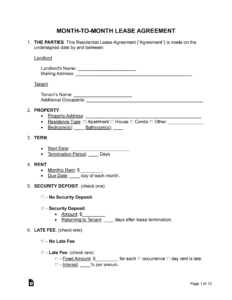
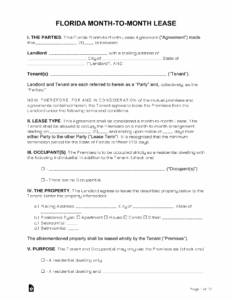
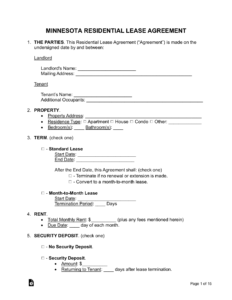
- **Identification of Parties and Property:** Full names of landlord and tenant(s), and the complete address of the rented property.
- **Start Date of Periodic Tenancy:** Clearly state when the periodic tenancy commenced, or if it immediately followed a previous fixed-term agreement.
- **Rent Details:** Specify the exact rent amount, due date, payment method, and any provisions for future rent reviews.
- **Notice Periods:** Crucially, define the agreed notice periods for both landlord and tenant to terminate the agreement, ensuring they comply with local legal minimums but also reflect mutual preferences.
- **Repair and Maintenance Responsibilities:** Outline who is responsible for what, from minor repairs to major structural issues.
- **Use of Property:** Any specific clauses regarding pets, smoking, or alterations to the property.
- **Deposit Information:** Details of the security deposit, where it’s protected, and conditions for its return.
Having these elements clearly articulated in a contractual periodic tenancy agreement template provides a solid foundation for a positive and legally sound rental relationship, adapting to the dynamic nature of a periodic arrangement.
Why Opt for a Specific Template?
Utilizing a dedicated contractual periodic tenancy agreement template offers numerous advantages over simply letting a tenancy roll over statutorily or attempting to draft an agreement from scratch. Firstly, it provides a pre-structured document that includes all the necessary legal clauses and common provisions, saving you significant time and effort. Instead of worrying about what essential details you might miss, the template guides you through the process, ensuring comprehensive coverage of all relevant aspects of the tenancy.
Secondly, a well-designed template helps ensure legal compliance. Rental laws can be complex and vary by jurisdiction, encompassing specifics like deposit protection schemes, mandatory information that must be provided to tenants, and correct notice periods. A professional template is typically drafted with these legal requirements in mind, minimizing the risk of inadvertently breaching regulations. This offers both landlords and tenants peace of mind, knowing that their agreement adheres to current legal standards.
Finally, a template serves as an excellent starting point for customization. While it provides a robust framework, it also allows for easy modification to suit the unique circumstances of a specific tenancy. You can adjust clauses regarding rent review frequency, specific responsibilities for garden maintenance, or rules around sub-letting, all while maintaining the integrity of the underlying legal structure. This balance of standardization and flexibility makes a contractual periodic tenancy agreement template an indispensable tool for anyone involved in long-term property rentals.
Ensuring clarity and mutual understanding from the outset is paramount for any successful tenancy. A carefully prepared and agreed-upon contractual periodic tenancy agreement template empowers both landlords and tenants with defined rights and obligations, fostering a relationship built on transparency and respect. It serves as a practical blueprint, simplifying the transition to an ongoing periodic arrangement and providing a clear point of reference should any questions arise. This proactive approach helps to prevent future disputes and supports a harmonious rental experience for everyone involved.